
GEOFF’s Crustacean Stock…
For years, I threw away prawn heads, crab shells, and crayfish bodies without a second thought. Then, while developing my Sand Crab Lasagne a dish inspired by those unforgettable nights at Il Centro in Brisbane – I realised the shells I was discarding were the most flavourful thing in the pot. That moment changed how I cook with crustaceans entirely.
This stock is designed to work with whatever crustacean shells you have on hand – green prawns, cooked prawn heads, blue swimmer crabs, sand crabs, southern rock lobster bodies, or Moreton Bay bugs. None of it needs to go in the bin. The key step is sautéing the shells first in a little oil over high heat until they turn a deep, vivid orange. That caramelisation is where the depth of flavour lives, and skipping it produces a thin, disappointing result. Everything else follows naturally.
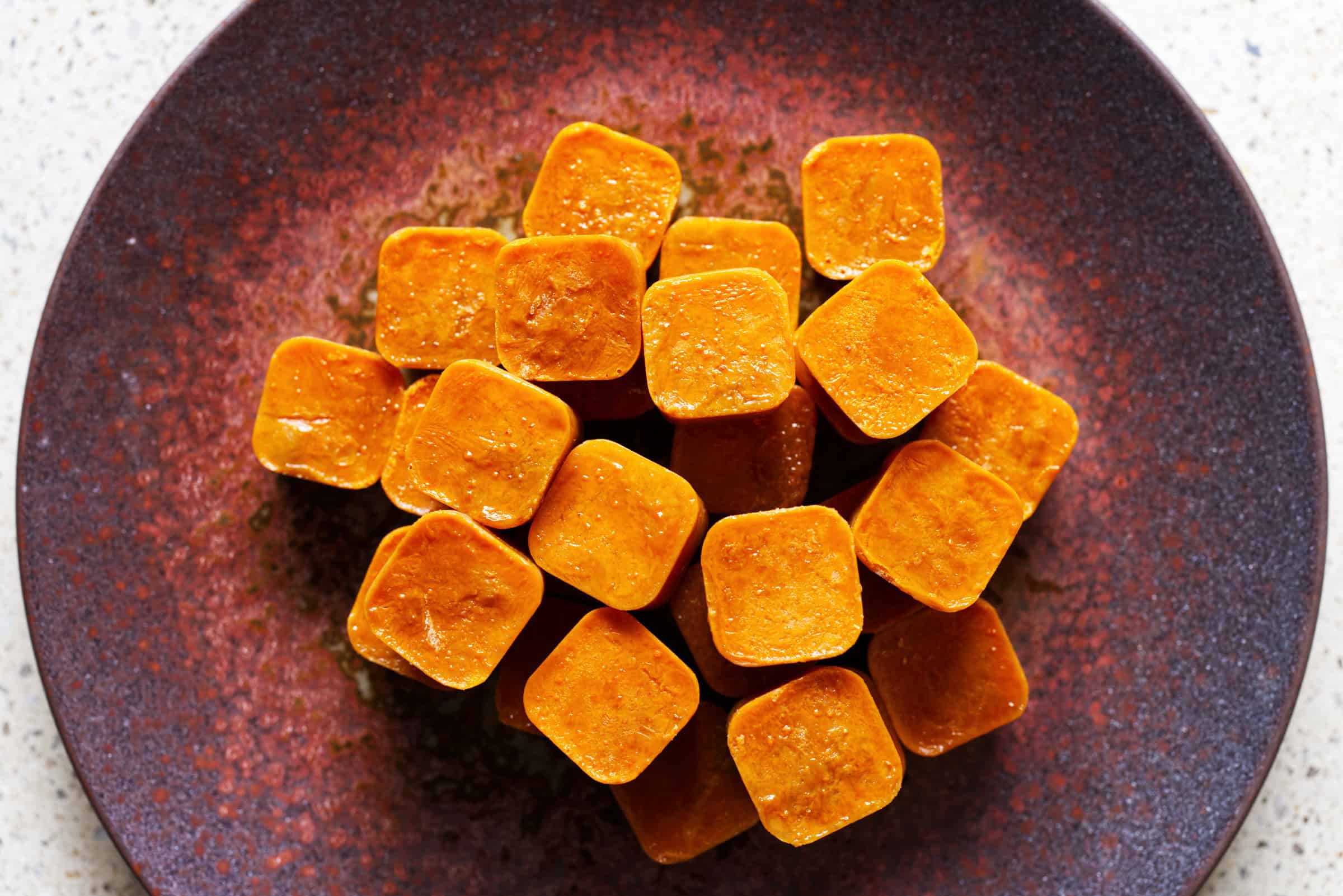
I like to use my Geoff’s Fish Stock as the liquid base – it adds another layer of the sea – but cold water works perfectly well too. Once strained, I freeze the stock in 500ml containers for pasta, chowders, bisques, and risottos, and in 20ml ice cube trays for those moments when a dish needs just a small lift of something oceanic. A splash into a pan of sautéed garlic, olive oil, and spaghetti is one of the simplest and most satisfying things I know.
GEOFF’s Crustacean Stock…
Ingredients
Equipment
Method
- Step 1 – Sauté the Shells (Stovetop)1. Heat the oil in a large, heavy-based stock pot or deep sauté pan on induction setting 8 or high heat. Add the crustacean shells and heads in a single layer as best you can.2. Cook, stirring occasionally, for 5 – 8 minutes until the shells have turned a vivid deep orange-red and any liquid has completely evaporated. You want caramelisation, not steaming – this step is non-negotiable for flavour. The shells will be fragrant and lightly coloured.3. Reduce to induction setting 6 or medium heat. Add all the vegetables – carrot, onion, mushroom, leek, celery, and garlic – and cook for 5-8 minutes, stirring occasionally, until softened and lightly golden.4. Add the crushed tomatoes, tomato paste, thyme, bay leaves, and peppercorns. Stir and cook for 3-5 minutes.5. If using wine or verjuice, add now and cook for 3 minutes until reduced by half.Step 2 – Build & Cook the StockMiele Steam Oven Method (Preferred): 1. Transfer the sautéed shells and vegetable mixture into a large unperforated steam oven container. Pour over the cold water (or fish stock and water), ensuring the liquid covers the shells.2. Place in the Miele Steam Oven at 90°C on 100%steam for 60-75 minutes. This gentle temperature extracts flavour beautifully while preserving delicate crustacean aromatics without bitterness.Stovetop Method: 1. Add the cold water (or fish stock and water) directly to the stockpot. Bring to a gentle boil, then immediately reduce to induction setting 3-4 or a low simmer. Cook uncovered for 45-60 minutes, skimming any foam from the surface in the first 10 minutes.Step 3 – Strain & Store1. Before straining, ladle the hot stock and shells into a Vitamix or blender in batches (fill no more than half full with hot liquid). Vitamise on high for 30-60 seconds per batch until the shells are broken down and the liquid is deep orange-red. This extracts the maximum flavour and colour from the shells before discarding them.2. Pour the vitamised stock through a fine-mesh sieve or muslin cloth into a large bowl, pressing firmly on the solids to extract every last drop. The liquid should be richly coloured and smooth. Discard the solids.3. Taste and season lightly. If you want a more intense stock, return the strained liquid to the pot and simmer on induction setting 4 or medium-low heat until reduced to your preferred concentration – a 25-30% reduction gives excellent depth.4. Allow to cool completely before portioning and freezing. Do not refrigerate warm stock.
Nutrition
Notes
- Pasta dishes: add 50-100ml to a pan with sautéed garlic, olive oil, and cooked prawns for an instant seafood pasta sauce
- Risotto base: replace white wine and part of the chicken stock with crustacean stock
- Bisque starting point: reduce 500ml stock by half, add 150ml cream, and finish with brandy for a quick prawn or lobster bisque
- Seafood chowder: use in place of fish stock for a richer, sweeter base
- Sauce base: reduce 250ml stock by two-thirds and whisk in cold butter (beurre blanc method) for an elegant crustacean butter sauce
- 20ml ice cubes: perfect for deglazing pans, finishing pasta water, or adding to small-batch sauces
- Refrigerate in an airtight glass container for up to 3 days.
- Cool completely before refrigerating – do not store warm stock. A 500gm glass jar or container is ideal for a single batch portion.
- This stock is designed for freezing – it’s how I get the most value from it.
- Portion into 500–750ml glass or BPA-free containers for soups, risottos, chowders, and bisques.
- Fill 20ml silicone ice cube trays for small-batch use – deglazing, finishing pasta, or adding depth to a sauce. Transfer frozen cubes to a labelled zip-lock bag for easy access.
- Freeze for up to 3 months. Thaw overnight in the refrigerator, or add directly from frozen to soups, sauces, and pasta cooking water.