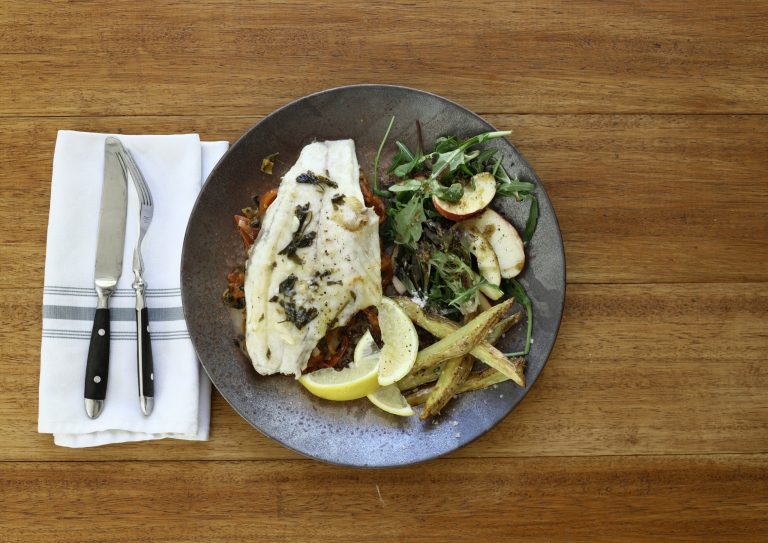

The Question Before Seafood | How Cooking Style, Cuisine, and Species Work Together
I’ve been thinking about how the French approach a fish market. Not the romanticised version you see on cooking shows, but the practical reality: at a good Marché, you don’t just buy fish – you have a conversation first. The vendor wants to know what you’re planning. Baking or grilling? A soup, or something to pan-sear quickly on a Tuesday night? The answer changes everything they’ll recommend. It isn’t theatre. It’s simply the logical sequence: decide the destination, then choose the vehicle.
We don’t do this in Australia. Most of us arrive at the fish counter with a general intention – seafood tonight – and leave with whatever looked appealing in the display. The fish makes the journey home without context. And then we wonder why it disappointed us.
I was thinking about this while working through something I’ve been developing with Fair Seafood – a guide that maps nine distinct cooking styles across six cuisine traditions with the species best suited to each. Looking at it laid out, what struck me wasn’t the complexity. It was how clarifying it becomes the moment you ask the right first question. That question isn’t what looks fresh? It’s what am I actually cooking tonight?
Nine Pathways, One Question
A pan sear is a different conversation from a braise. Shallow frying through a light flour dusting – the Mediterranean fritto misto approach – creates textures impossible to achieve through baking. Steam cooking extracts different qualities from the same fish than BBQ would. These aren’t interchangeable methods. Each one calls for different species, different textures, different preparation entirely.
The guide maps this across pan searing, baking and roasting, poaching and steaming, deep and shallow frying, BBQ and charcoal, braising and curries, stir-frying, curing and raw preparations, and sautéing for pastas and risottos. Nine pathways. Each with its own species logic.
Pan-searing rewards species that can handle high, direct heat with a skin worth crisping – barramundi, King George whiting, coral trout, or Ōra King salmon with its beautiful fat content. Take that same piece of flathead and bake it whole with Mediterranean aromatics and you’re in entirely different territory: the gentle, even heat rewarding the delicate flesh in ways a hot pan would destroy. BBQ and charcoal opens another register again. Mulloway on the grill has that primal quality – smoke working with the fish’s natural oils – that neither oven nor stove can replicate. Whole sardines, Australian salmon, southern garfish on direct heat: these aren’t compromised versions of proper cooking. They’re the right tool for the right job.
Then there’s braising and curries – a method that requires species with enough structural integrity to hold together through extended liquid cooking. Ling, nannygai, leatherjacket, yellowtail kingfish. These fish can absorb and carry bold aromatics without surrendering. Drop sand whiting or flathead into a long braise and you’ll lose the fish entirely.
The Cuisine Question
Here’s where it becomes genuinely interesting. The same cooking technique produces completely different results depending on the cuisine tradition shaping it.
Take poaching and steaming. A Japanese dashi-poached King George whiting sitting in a clean, restrained broth is a study in precision – the fish’s delicacy amplified, nothing competing with it. The same method applied through South Asian logic – aromatic spices, curry leaves, turmeric, tamarind, coconut milk building in careful sequence – creates something entirely different from the same technique applied to the same species. Both are poached fish. Neither is more correct.
The guide pairs each cooking style with six cuisine traditions: Japanese, South Asian, Thai, Chinese, North African, and Mediterranean. These aren’t arbitrary groupings – they reflect genuinely different philosophies about what fish should taste like and what role it plays in a meal. A North African preparation of flathead – chermoula, preserved lemon, oven-roasted whole – bears almost no resemblance to the same species in a Thai stir-fry with galangal, fish sauce, and fresh herbs, even though both are valid and both are delicious.
Knowing which tradition is guiding your hand changes which species you reach for, which cut makes sense, and which technique serves the purpose. Stir-frying through a Thai lens rewards barramundi, golden perch, or coral trout – firm enough to handle wok heat without breaking, mild enough to carry the aromatics cleanly. Curing and raw preparation, whether Japanese sashimi or Nordic gravlax, calls for Ōra King salmon, mulloway, or yellowtail kingfish – species with the fat content and texture that reward minimal intervention.
The Season Nobody Asks About
There’s a fourth question that rarely gets asked at all, and it might be the most important one. What’s actually good right now?
We’ve grown so accustomed to year-round availability – the same species in the same display regardless of what month it is – that we’ve largely lost the instinct to ask about season. But fish, like any honest ingredient, has rhythms. Southern garfish running beautifully through winter. King George whiting at their best through the warmer months. Coorong mullet carrying the story of the Murray-Darling system in their flesh, at their peak when the estuary conditions are right. These aren’t abstract fishing industry details – they’re the difference between a species at its absolute best and one that’s technically available but not at its finest.
The seasonal question changes the entire frame. Instead of arriving at the counter with a species already decided, you arrive with a method and a cuisine tradition in mind – and you ask what’s best right now that would suit them. It’s the same logic the French market vendor applies instinctively. It’s also how you end up cooking species you’d never have reached for otherwise: the garfish you hadn’t considered, the tommy ruff that’s been running beautifully, the piece of leatherjacket from a SA fisher that came in yesterday. Fair Seafood’s model – caught yesterday, filleted today, available to you tomorrow – only makes sense if you’re willing to let what’s genuinely fresh guide the choice, not the other way around.
Seasonal availability is also a sustainability argument, though it doesn’t need to be framed that way to be compelling. When a species is abundant and in season, it’s also at its eating best and its most responsibly harvested. The questions align. Ask what’s seasonal and you’re also asking what’s sustainable, what’s fresh, and what the fishmonger is genuinely excited about right now. That enthusiasm is information worth having.
The Texture Conversation
The guide organises species across four texture categories, from flaky and delicate through to medium-firm. This matters more than most home cooks realise. It’s not just about which fish is ‘better’ – it’s about which fish serves the technique you’ve chosen.
At the delicate end: flathead, sardines, sand whiting, snook, Ōra King salmon. These species reward restraint – gentle heat, minimal intervention, simple finishes with good olive oil or cultured butter and citrus. At the medium-firm end: Murray cod, nannygai, samson fish, yellowtail kingfish, red and pink snapper. These can handle – and in fact need – more assertive treatment: aggressive searing, long braising, bold sauces that would overwhelm their more delicate cousins.
Coral trout, flathead, Australian salmon, and redfin perch sit in the middle range. Versatile enough to move across most cooking styles, but still responding differently depending on what you ask of them. Knowing where a species sits in this spectrum changes both what you cook and how you cook it.
The Conversation That Changes Everything
Coming back to that French market logic: the sequence matters. Method first, then cuisine tradition, then species selection based on texture and what’s available. What am I cooking tonight? Thai? South Asian? Mediterranean? Pan-sear or BBQ? A quick Tuesday-night stir-fry or a slow weekend curry with time to let the aromatics build properly?
These aren’t complicated questions. They take thirty seconds to answer before you leave the house. But they transform you from someone buying fish blind into someone having a conversation at the counter that actually leads somewhere. Give the fishmonger context and they can guide you to exactly what the dish needs. Fair Seafood’s team know the species, the catch, the season, the texture. They know what came in this morning and what’s been hanging on too long.
I remain convinced that by staying curious and open-minded; by showing a willingness to ask better questions and move beyond your comfort zone, you’ll improve the chances of understanding what you’re actually trying to achieve in the kitchen. The fish isn’t disappointing you. The question you’re not asking is.
Lean in. The learning is in the doing – and the doing starts before you even pick up the fish.
Which cooking style do you find yourself returning to most? Have you tried mapping cuisine tradition to species before you shop? I’d love to hear what questions you’ve started asking at the counter.
Follow my journey at AncientGrains63 as I explore how asking the right question – before you choose the fish – changes everything that follows.
#AustralianSeafood #FairSeafood #SustainableSeafood #AdelaideFood #FishCooking #MediterraneanCooking #SouthAsianCooking #ThaiFood #JapaneseCooking #SpeciesSelection #FishTechnique #AncientGrains63