
Beyond the Smell | What the Rottnest Ferry Jetty Taught Me About Buying Fresh Fish
I was eleven or twelve, standing at the Rotto ferry jetty in mid-to late afternoon with half dozen bags of freshly filleted herring and a separate bag of ice to keep them cold. The day trippers were loading up for the crossing back to Perth, and we’d worked out early that departing visitors were reliably generous. The police turned a blind eye to our little operation – sell them a clean feed of herring for their evening meal and the money went to the tearoom’s lolly counter, the bakery, or the games room, which is exactly what we kids on Rotto did with an extra couple of dollars in the pocket. What I didn’t register at the time was the lesson already embedded in the transaction: those fish were caught that morning, filleted that afternoon, packed in ice, and sold before the sun went down. That was what freshness actually meant. Not a description. A timeline.
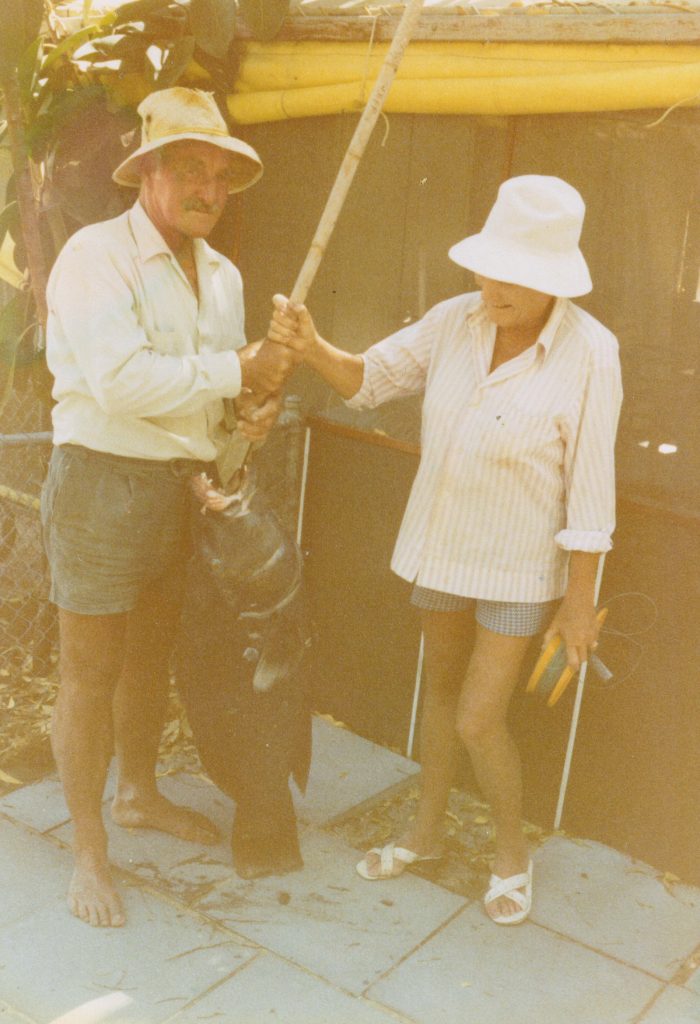
Mate and Dad were the ones who taught us to fish – handlining for dhufish off the north side, prising abalone from reefs at low tide, cooking at Tree Tops later in the evening. Dad worked for a Japanese company, and I remember his bosses visiting Rottnest and eating what we’d caught that day as sashimi – raw fish, no cooking, nothing to improve or disguise anything. The fish had to be what it was. That image stayed with me. The most demanding test of freshness isn’t the cooked dish. It’s what happens when you remove the heat entirely.
The Hierarchy You Can’t See
Understanding the commercial lifecycle of fish is the single most practical thing a home cook can learn about buying seafood. Most fishmongers start with whole fish – the freshest option on the counter. When whole fish don’t sell quickly enough, they’re broken down into half-side fillets; if those don’t move, into centre cuts, belly fillets, and tail portions; eventually whatever remains gets diced for marinara mix. That container of mixed seafood pieces could be eight to ten days old by the time it reaches your trolley. Knowing this changes what you ask. Not “Is this fresh?” – every counter will tell you it is. The questions worth asking are: when did this whole fish come in, and was this fillet cut today?
The Fisherman Behind the Fish
The difference between a good fishmonger and a poor one comes down to a single test: whether the person behind the counter can tell you the fisherman. Good, ethical and sustainable fishmongers who can tell you the fisherman are dealing in accountability – and accountability produces better fish, handled better, at every step of the chain. A poor fishmonger – and there are plenty, in fish shops as well as supermarkets – can’t tell you where their stock came from, who caught it, or when it arrived. That gap in knowledge reflects a gap in the supply chain the fish has already passed through.
How a fishmonger displays their stock confirms it. At one who takes quality seriously, whole fish lie on proper ice beds – eyes clear and bright, gills a vivid red, scales tight to the skin. Fillets rest on fresh ice with minimal overlap, not sitting in pooled water. Supermarket displays tell a different story: crushed ice that’s been there since opening, pre-packaged portions under bright lighting, a cold chain that wobbles a little further every time a customer opens the display case. When I visit Fair Seafood at the Adelaide Central Market, I ask what came in that morning and how they’d prepare it for what I have in mind. At minimum, ask your fishmonger to gut and scale the fish at the counter – or fillet it entirely. That conversation costs nothing and means you take home something that was intact until minutes ago.
The Rhythms Worth Following
Those Rottnest summers taught me to work with what was running, not what I’d decided I wanted. In South Australia, winter brings excellent flathead and whiting; summer offers prime barramundi and coral trout. Southern King George Whiting peaks through the cooler months. These rhythms extend across every seafood category.
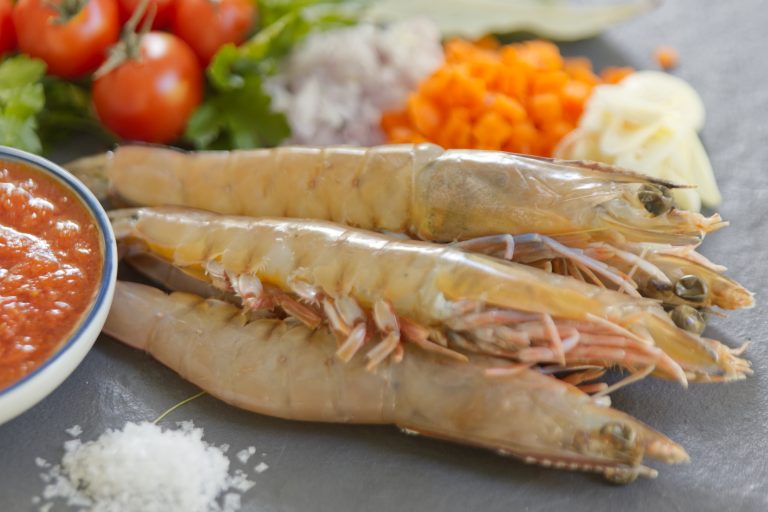
Crustaceans follow distinct seasonal windows. Southern Rock Lobster is the prime example: in South Australia the season opens 1 October in the Southern Zone and 1 November in the Northern Zone, closing 31 May, with a winter closure to allow spawning. Peak availability runs through the warmer spring and summer months – the reverse of what most people assume. Wild prawns have a genuine season too, running in warmer months; the difference between wild-caught Australian prawns processed here and imported product processed overseas is worth asking about directly at the counter. Molluscs vary by species and region. From Adelaide, the first call for oysters is Coffin Bay or Smokey Bay – clean, cold water, a flavour that reflects where they grew. Scallops have remarkable regional character: Abrolhos Island scallops from Western Australia, Harvey scallops from Shark Bay, Tasmanian scallops with their distinctive purple roe, and Rotto scallops when they’re running. Each one is different enough to be worth seeking out specifically. Abalone has tightly regulated seasons your fishmonger will know. Cephalopods – squid and octopus – are worth asking about seasonally rather than assuming they’re always available fresh.
What Your Eyes Know Before Your Nose Does
Fresh fish should smell like the ocean – clean and briny and not unpleasant. But smell alone can mislead: oily species like mackerel carry a stronger natural scent than a mild flathead or blue-eye trevalla. Some very fresh fish have almost no smell at all, which is precisely the point. The absence of smell is the confirmation of freshness. Good quality fish stored properly in the coldest part of your fridge will last several days without developing any smell. If it smells clean, it is clean. That’s the title of this article and the only test that actually matters.
Visual cues are more reliable at the counter. Look for flesh that is translucent and firm, any liquid clear, no brown or yellow edges on fillets. An ammonia note or a sour smell around the display are warnings worth heeding. But look first – the surface of the flesh will usually tell you what you need to know before your nose gets involved.
The Cold Chain Continues at Home
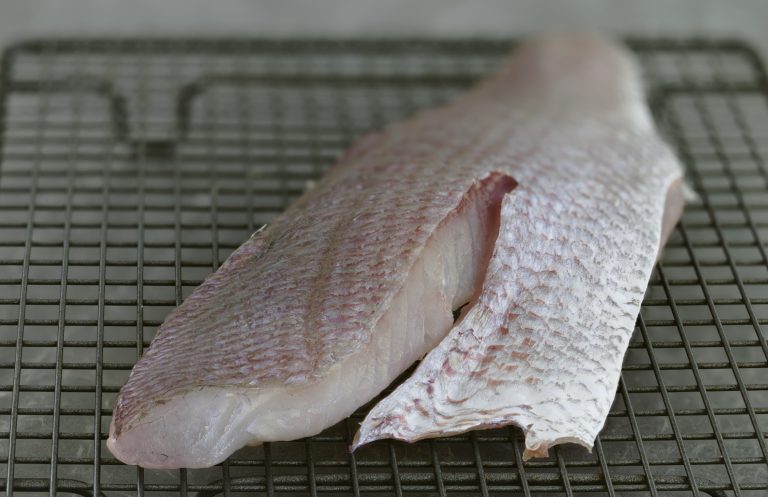
Remove fish from plastic packaging as soon as you get home. Pat dry with paper towels, rest on a wire rack or fresh paper towels in an unsealed container, and store in the coldest part of the refrigerator. I don’t wash fish that’s been sitting in my fridge – only if I’ve just broken the fish down and am cooking it immediately. Unnecessary washing spreads bacteria and damages the flesh surface. A few hours of uncovered air-drying on a rack also tightens the skin and improves crisping at the pan. A small step that costs nothing.
Sustainability and Quality Move Together
Fish harvested through line-caught methods typically suffer less stress and physical damage than netted alternatives, and the difference shows in texture and flavour. Garfish, tommy ruff, Australian salmon, Coorong mullet, herring – fast-reproducing, abundant, and mostly overlooked. Properly handled and properly cooked, they reward the attention. The knowledge to make these choices comes from paying attention to what a fishmonger knows and is willing to tell you. That was the lesson at the ferry jetty, even if I didn’t know it at the time. The herring were worth something because of what they were, where they’d come from, and how recently. Fifty years later, that’s still what I’m looking for at a fish counter.
Do you have a fishmonger you trust enough to ask what came in that morning? Have you started asking about wild-caught and Australian-processed seafood, or the seasonal windows for crustaceans and molluscs? Let me know below – I’d love to hear what you’ve discovered.
Follow my journey at AncientGrains63 as I find the principle underneath the everyday.
#FreshFish #AustralianSeafood #FairSeafood #SustainableSeafood #OceanToPlate #SeasonalEating #AdelaideFood #RottnestIsland #WildCaughtSeafood #BeyondTheSmell #SouthernRockLobster