
Seafood | Species Specific Techniques for Perfect Fish Everytime (Part 2)
After discovering the transformative power of temperature control in Part One, I found myself drawn deeper into how different fish species respond to heat. Each variety seemed to have its own personality – some delicate and forgiving, others robust and demanding specific treatment. What started as temperature awareness evolved into a deeper appreciation of species-specific techniques that honour each fish’s unique characteristics.
The breakthrough came when I stopped treating all fish the same way and started listening to what each species was telling me through touch, sight, and sound during cooking.
Why Species-Specific Matters More Than I Realised
My early attempts at precision cooking were technically correct but emotionally flat. I was hitting the right temperatures but missing the soul of each fish. A piece of coral trout cooked to 56°C using the same gentle pan technique I’d use for barramundi was perfectly safe and technically sound – but it lacked the bold, caramelised flavours that robust fish can deliver when treated with appropriate intensity.
The revelation came during a conversation with a chef who specialised in native Australian species. “You wouldn’t cook a wagyu steak the same way you’d prepare chicken breast,” he said. “So why cook kingfish like whiting?” That simple question restructured my entire approach to seafood cookery, creating another one of those sliding door moments with knife, fork, and spoon.
The Gentle Giants: Barramundi and Sand Whiting
These delicate white fish taught me about restraint and the power of even pressure. My technique evolved from simple pan-frying to what I now call the “press and patience” method.
The secret lies in the fish weight – that heavy little tool that most home cooks ignore. When I place barramundi skin-side down in a moderately heated pan and immediately apply gentle, even pressure, magic happens. The weight (which can be another frypan) ensures complete contact between skin and pan surface, creating uniform heat transfer that prevents patchy cooking.
I’ve learnt to read the visual cues: watching the edges transform from matte raw to glossy pale-gold tells me more than any timer could. The flip is minimal – just 30-45 seconds to kiss the flesh side – because the skin has already done most of the work. At 38°C internal temperature, I pull the fish and trust the resting process.
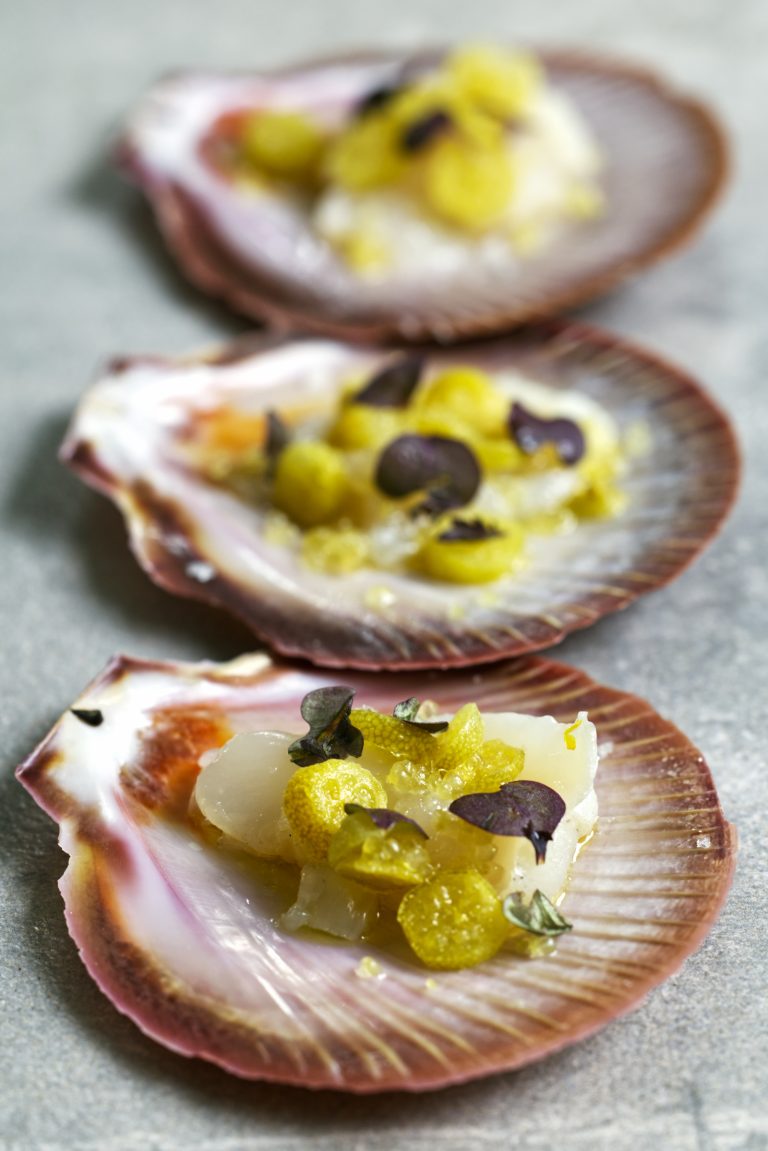
The finishing oil matters enormously here. These delicate fish can be overwhelmed by heavy sauces, so I’ve developed a repertoire of light touches: good olive oil with lemon, native finger lime pearls for textural pop, or sometimes just cultured butter with fresh herbs. Simple food honestly presented well.
The Rich Rebels: Kingfish, Mulloway, Australian Salmon, and Ōra King Salmon
Oily fish demanded I completely rethink my approach to heat application. These species – particularly our underappreciated Australian salmon and the mighty mulloway – carry their flavour in their oils, and my job became learning how to render those fats properly whilst preserving their silky richness.
Australian salmon taught me patience. Often dismissed as “inferior” to Atlantic varieties, this robust fish rewards proper technique with incredible depth of flavour. Mulloway, our native jewfish, demands respect for its size and power. These magnificent fish can handle more aggressive heat than most, and their dense flesh benefits from extended flesh-side searing.
The reverse-sear technique became a turning point for me. Starting flesh-side down seems counterintuitive to most home cooks who’ve been taught “skin-side first,” but it makes perfect sense when you understand the anatomy. The flesh side is denser, needs more time to develop proper caramelisation, and benefits from the majority of the cooking time.
I’ve learnt to brush the flesh lightly with oil before searing – not for flavour, but for heat conduction. The skin stays dry to prevent flare-ups that can char rather than caramelise. Medium-high heat creates that Maillard reaction without overwhelming the delicate oils.
The oven finish at 160°C for 1-2 minutes allows me to hit that crucial 42-44°C internal temperature uniformly. During the rest, I quickly whisk together a brown butter emulsion with yuzu-kosho or lemon – something bright and acidic to cut through the richness.
The Honest Workers: Murray River Cod and Flathead
These fish taught me about building flavour through layered techniques. Their hearty, flaky nature can handle – actually demands – more aggressive treatment than their delicate cousins. This is where I learnt the art of the moving sear.
Rather than pressing and waiting, I shift these fillets every 45-60 seconds to different hot spots in the pan. This prevents hot-spot scorching whilst building a uniform, deeply caramelised crust. It’s active cooking – you can’t walk away or multitask. The fish is telling you when to move it; you just need to listen.
The transition to oven roasting at 175°C gives these robust fish the gentle, even heat they need to reach 55°C internal temperature whilst maintaining their distinctive flaky texture. Three minutes of resting isn’t negotiable – these fish need time for their proteins to relax.
I’ve discovered that the pan juices from this technique are liquid gold. A quick baste with the buttery, caramelised residue elevates both flavour and presentation dramatically.
The Aristocrats: Coral Trout and Nannygai
These are the fish that demanded I push boundaries, with nannygai being perhaps the most rewarding challenge I’ve encountered. Their meaty, almost steak-like density can handle intense heat that would destroy more delicate species. Nannygai, with its distinctive deep-water character, responds magnificently to aggressive treatment that showcases its robust flavour profile.
Scoring the skin prevents cupping – a technique I learnt through painful experience with expensive fish that curled up like autumn leaves. High-heat searing on a grill plate or heavy cast-iron creates those dramatic char marks and deep caramelisation that these fish not only survive but celebrate.
For fillets this thick and dense, the sear alone can’t complete the job without overcooking the exterior. So, I transfer the fish directly into a 160°C oven for 3-5 minutes, probing until I reach 56°C internal. The logic is the same as finishing a thick steak: fierce heat builds the crust; gentle oven heat brings the centre to temperature evenly. A reading that would ruin a sand whiting sits precisely in the sweet spot for nannygai.
The Traditional Teachers: Garfish, Tommy Ruff, and Coorong Mullet
Cooking whole fish on the bone changed my understanding of moisture and flavour development entirely. The backbone isn’t just structural – it’s a flavour delivery system, slowly releasing collagen and marrow that bastes the flesh from within.
Coorong mullet deserves special mention here – this remarkable fish from our unique estuarine system carries the story of the Murray River in its flesh. Often overlooked in favour of imported alternatives, Coorong mullet responds beautifully to simple, respectful treatment that honours its distinctive character. I source these through Fair Seafood, where I can follow the fish from the hands that caught it to my kitchen bench – and that knowledge changes how I cook it.
The technique is deceptively simple but requires confidence. Moderate heat, regular flipping every 45 seconds, and trusting the process for 3-4 minutes total. The bone acts as a natural temperature regulator, preventing overcooking whilst ensuring even heat distribution.
At 54°C at the bone, these fish achieve that magical state where flesh peels away in long, unbroken strips. It’s a textural achievement that filleted fish simply cannot match.
I’ve learnt to celebrate these underutilised species not just for their flavour, but for their sustainability story. Garfish, tommy ruff, and Coorong mullet are abundant, fast-reproducing, and often overlooked in favour of more glamorous species. Giving them proper treatment feels like ecological justice.
Your Species-Specific Journey Begins
The beauty of species-specific cooking lies not in rigid rules, but in developing an intuitive understanding of how different fish respond to various techniques. Start with one species and master its particular requirements before moving on. Build your own reference library of temperatures, timings, and visual cues.
Keep detailed notes about your successes and failures. Which technique best showcases your local kingfish? How does your oven’s heat distribution affect resting times? These personal discoveries become the foundation of your unique cooking style – those sliding door moments that transform good cooks into great ones.
Most importantly, taste everything. Compare the same species cooked using different techniques. Feel the textural differences, notice how various methods highlight or suppress certain flavours. Your palate becomes your most reliable guide in this journey toward fish cookery mastery.
Which technique are you most eager to try? Have you noticed how different fish species respond to various cooking methods? Let me know below!
Follow my journey at AncientGrains63 as I explore how species-specific techniques, honest ingredients, and the stories behind a catch transform everyday fish cookery into something worth remembering.
#SpeciesCookingTechniques #AustralianSeafood #FishCookingMastery #SustainableSeafood #CookingTechnique #AdelaideFood #AncientGrains63