
Tools of the Tide | Essential Kitchen Utensils for Cooking Seafood at Home
Spend enough time working with precision tools and you begin to understand something that doesn’t get said often enough: a tool’s value isn’t in its presence, it’s in what it allows you to do reliably. In dental technology, I worked with instruments that could do a specific job and nothing else – a margin trimmer wasn’t a carver, a burnisher wasn’t a scalpel. The discipline was in knowing which tool belonged to which moment, and using it with the right technique. Get that combination right and your work became predictable. Predictable meant quality. Quality meant trust.
The kitchen works on exactly the same principle. I’m not producing seafood – I’m cooking and tending it. The seafood tells you (visual and hearing) what it needs if you’re paying attention. The right tool, used with the right technique and genuine understanding of what you’re trying to achieve, is what makes results consistent rather than occasional. That’s what I was after in dental technology. It’s what I’m after now.
That said – and this matters – a handful of thoughtfully chosen utensils makes an enormous difference. With the right few pieces, you can cook everything from delicate steamed reef fish to smoky barbeque prawns, confidently and consistently. The key word is thoughtfully. You don’t need everything. You need the right things, understood well.
Pan-Searing: Sizzle Meets Precision
Pan-searing is where most seafood adventures begin, and the pan itself matters more than anything else in your kit. A well-seasoned cast-iron or heavy stainless-steel pan – properly heated before the fish goes in – is all you need. The seasoning and the heat do the work that people assume only non-stick can do. Get the pan genuinely hot, lay the fish down with confidence, and it will release when it’s ready. That’s not a trick. That’s technique meeting the right tool.
Alongside the pan: a flexible, slotted fish slice, designed for the job. It lets you turn seafood without damaging the fillet, which matters considerably when you’ve sourced quality fish and tracked its provenance from ocean to plate. Slim tongs complete the trio, giving you precise placement and confident turning of prawns, calamari, and thicker centre-cut fillets. These three items form the core of almost everything you’ll cook.
Grill Plates and Teppanyaki: Indoor Char with Intention
A cast-iron grill plate on induction or gas creates char lines and allows fat to drip away – well suited to squid, prawns, and whole fish where you want that caramelisation and subtle smokiness. It’s a different result to a flat pan, and knowing when that difference is what you’re after is part of building your technique.
The teppanyaki plate is the more versatile workhorse of the two. Its flat surface distributes heat evenly across the entire cooking area, which makes it ideal for longer fillets that overhang a standard pan, or when you’re cooking for the family and need multiple pieces down at once. I regularly use mine on the induction as I can control the heat.
Scallops, butterflied rainbow trout, whole Australian salmon, or a couple of Ōra King salmon fillets for a weekend dinner – the teppanyaki plate handles the scale without losing the control. Both pieces give you barbeque-style results year-round without stepping outside.
Oven Cooking: Gentle Roasting and Reliable Results
Oven cooking gives certain seafood the even, hands-off heat it sometimes needs – particularly whole fish or anything that benefits from finishing after an initial pan sear. A shallow ceramic or metal ovenproof dish handles most situations well. A baking rack elevates seafood for better airflow, which matters when you want crispy skin or crumbed fish that stays textured rather than softening underneath.
The steam or combi oven changes things considerably if you have access to one. My Miele Moisture Plus oven has genuinely changed how I approach certain species – moisture whilst cooking produces results difficult to achieve through conventional methods alone. I’d love a Miele combi oven, and one day I’ll have one. Not having it yet hasn’t slowed me down. Understanding what steam does to protein structure is what makes the difference, not simply having the equipment. The tool amplifies what you already know.
Steaming: Subtle and Moisture-Locking
Steaming suits lean, delicate seafood where moisture and gentle heat are essential – and you don’t need a combi oven to do it well. A bamboo steamer over a wok is one of the most useful pieces of kit you can own. It infuses a subtle aroma, fits most stovetop setups, and works beautifully for reef fish, scallops, or anything you want to cook with genuine restraint. A stainless-steel steamer insert achieves similar results across cuisines without the aromatic dimension. A heatproof plate or mesh basket completes the setup for mussels or fish wrapped in paper or banana leaves.
What good steamers share is the ability to maintain that consistent, gentle environment where the fish is tended by humidity rather than pushed by aggressive heat. The technique matters. The vessel is secondary. My steam oven gives the precision I want though and you’ll surprised at how often you’ll use it (daily for me).
Thermometers: Confidence with Every Cook
If there’s one piece of equipment, I’d argue for above everything else, it’s a quality instant-read digital thermometer. Seafood cooks quickly – being off by a minute or two can mean the difference between silky barramundi and something genuinely disappointing. The thermometer removes guesswork without removing skill. You’re still reading the fish, still watching the edges transform from matte raw to glossy pale-gold. The probe confirms what you’re observing rather than replacing your judgement.
For barbeque, oven use, or longer cooking sessions with whole fish, a leave-in probe thermometer lets you monitor without constant interruption. Understanding your target temperatures by species – 38-43°C for delicate white fish like barramundi or sand whiting, through to 56-63°C for robust meaty fish like coral trout or nannygai – is the foundation of consistent results. Does it make sense? Yes or no, not a maybe. The thermometer answers that question
Barbeque: Flame, Smoke, and the Solid Plate
Seafood on the barbeque is genuinely excellent when you work with the right surface. A solid flat plate – cast-iron or thick steel – is my strong preference for most seafood over a grated system. It gives you complete control, prevents anything delicate from falling through, and produces an even result that open grates simply can’t replicate for fish. A fish basket has its place when a grated system is all you have available, but given the choice the solid plate wins every time.
Long-handled tongs and a wide spatula are essential for confident handling over high heat. A clean hotplate prevents sticking and protects delicate flavours – any residue from a previous cook can overpower fish immediately. Quality lump charcoal burns hotter and gives a cleaner flavour when you want authentic smokiness, whilst briquettes offer more consistent, longer-lasting heat for extended cooking sessions.
Resting and Dry-Ageing: The Two Most Overlooked Steps
A wire resting rack is one of those pieces that costs almost nothing and changes results considerably. Elevating fish briefly after cooking maintains skin crispness and allows heat to distribute evenly through the fillet rather than continuing to cook the underside whilst the top cools. The rest is not optional. It’s part of the cooking process, for seafood and meat both.
The fridge drying setup applies equally to seafood and meat – the principle is identical. Place your protein on a perforated tray lined with paper towel and allow it to air-dry uncovered for a few hours before cooking or overnight. This light dry-ageing tightens the surface, significantly improves crisping, and concentrates flavour. For fish, the difference in skin texture is immediately noticeable. For a dry-aged steak, the surface browning and depth of flavour speak for themselves. Small step. Meaningful result.
Sous Vide: Precision, Then Char
Sous vide is often described simply as a water bath technique, but what actually matters is the combination of controlled low temperature and the pressure created when the food is sealed inside a vacuum bag. That pressure does something important: it prevents flavour compounds from leaching out into surrounding liquid, and it compresses the cell structure slightly, giving a texture that is dense and silky in a way that open poaching or steaming can’t fully replicate.
What most cooks don’t realise is that a steam oven or combi oven can achieve much of the same result. When you place sealed food – zip-locked or vacuum-bagged – into a steam oven set to a precise temperature, the oven holds that temperature with the same accuracy as a water bath circulator. The sealed bag creates the same pressure environment. The result is genuinely comparable, and for a home kitchen without a dedicated circulator, it’s often the more practical choice.
My own approach takes this a step further. I use sous vide in my steam oven to bring the seafood to the precise internal temperature I’m after, then finish it with some char – a hot teppanyaki pan (if needed), a blow torch, or the barbeque plate for just enough time to develop colour and caramelisation on the surface. You get the edge-to-edge precision of the water bath and the texture and flavour that only direct heat creates. The two methods aren’t competing. Used together, they give you something neither achieves alone.
Global Cuisines, Minimal Tools
Different cultures highlight different cooking styles, but a small set of utensils covers a remarkable range. Japanese cooking leans on the teppanyaki plate, bamboo steamer, and razor-sharp knives – simplicity and precision in equal measure. Mediterranean approaches favour oven dishes and grill plates for charred octopus, whole fish with lemon and herbs, the kind of food that looks effortless because the technique is sound. Thai and Vietnamese cooking draws on steamers, woks, and a mortar and pestle for pastes, marinades, and quick broths that build layers of flavour from very direct methods.
What connects these traditions is the same principle I learnt in dental technology: the best results come from understanding what each tool does and matching it to the moment, not from owning everything. You don’t need every specialised piece to explore global seafood dishes. You need versatile, durable basics – and the curiosity to understand how they work.
Your Home Seafood Kit: A Practical Checklist
Start with these to cover most weeknight and weekend seafood situations:
- Cast-iron or heavy stainless-steel frying pan – well seasoned, properly heated
- Fish slice – flexible, slotted, designed for the purpose
- Long-handled tongs – slim enough for precision
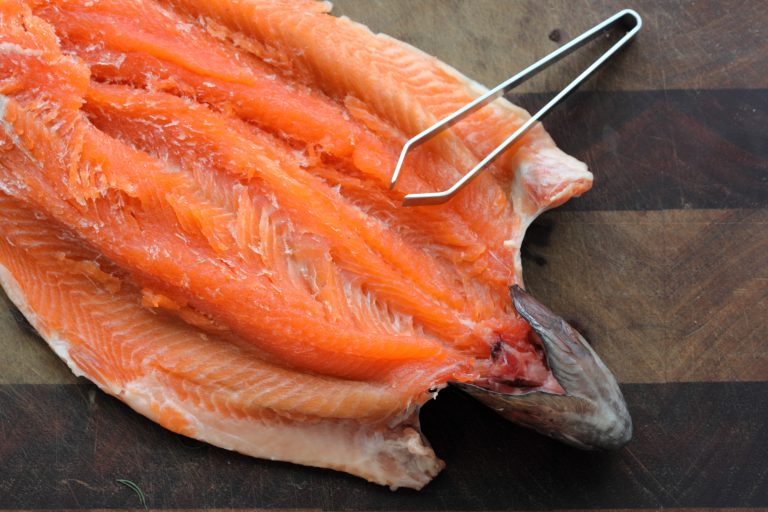
- Pin bone tweezers
- Instant-read digital thermometer
- Steamer insert or bamboo steamer
- Cast-iron grill plate
- Teppanyaki plate – for longer fillets and family-sized cooks
- Ovenproof baking tray and wire resting rack
- Leave-in probe thermometer – for barbeque and oven
- Mortar and pestle
- Optional: sous vide immersion circulator
Small Tools, Big Impact
Cooking seafood well doesn’t mean cooking fancy – it means understanding heat, timing, and how to work with the tools you’ve got. A good pan, the right fish slice, and a reliable thermometer can take you from guesswork to consistency. Mastering the pan-sear is less about recipes and more about recognising texture, managing heat, and using your eyes – what some chefs call the 70-80% visual method. The probe confirms what you’re already seeing.
In dental technology I learned that predictable results came from the right technique and the right tool working together – not one without the other. The same holds in the kitchen. Understanding comes first. The tools amplify what you already know.
I remain convinced that by staying curious and open-minded, by showing a willingness to lean in rather than simply acquire, it will help improve the chances of understanding what you’re actually trying to achieve. Whether that’s perfectly tended barramundi, consistent sourdough, or simply making a good meal on a Tuesday night. Simple food honestly presented well. That’s what makes sense to me.
What’s your go-to seafood choice for busy weeknights? Do you lean towards the ease of skinless fillets or chase the flavour that comes with crispy skin-on finishes? Have you given visual cues a go when pan-frying fish, or are you still relying on the timer? Let me know — I’d love to hear about your weeknight discoveries.
———
Follow my journey at @AncientGrains63 as I explore how unexpected training shapes how we see the world
#SeafoodTechnique #AustralianSeafood #FairSeafood #HomeCooked #AdelaideFood #SustainableSeafood #CookingTools #SousVide #AncientGrains63