
If You Lean In, You Learn
I was reading about Shokunin recently – the Japanese concept of craftspeople who dedicate themselves to perfecting their technique through patient, deliberate practice. A sushi apprentice might spend three years learning to cook rice properly before being permitted to touch fish. To Western sensibilities this seems absurd, possibly masochistic. We want results now, skills acquired quickly, Instagram-worthy outcomes on the first attempt.

But Shokunin understand something we’ve largely forgotten: if you lean in, you learn. Lean back and you fall back.
The Conversation Gap
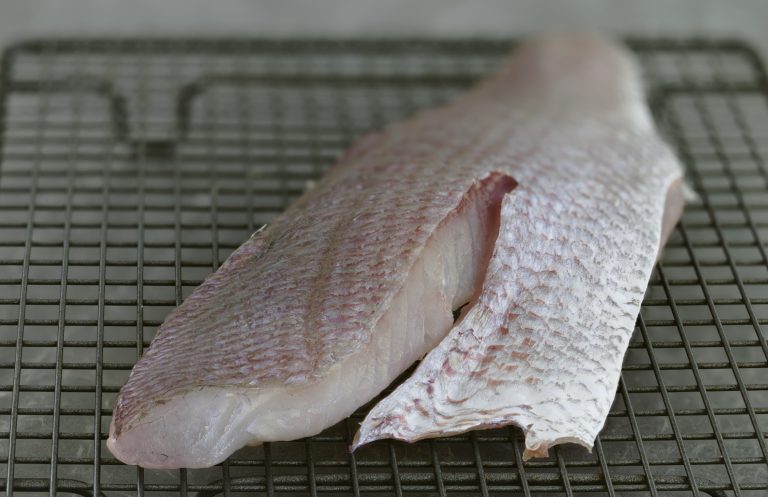
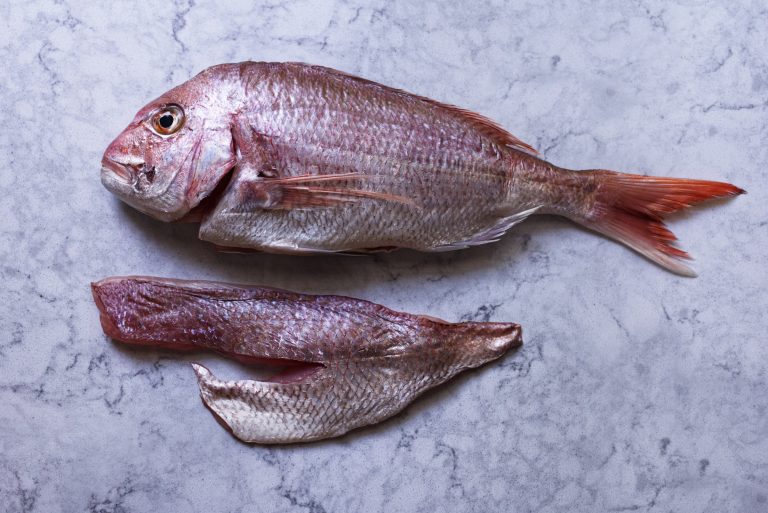
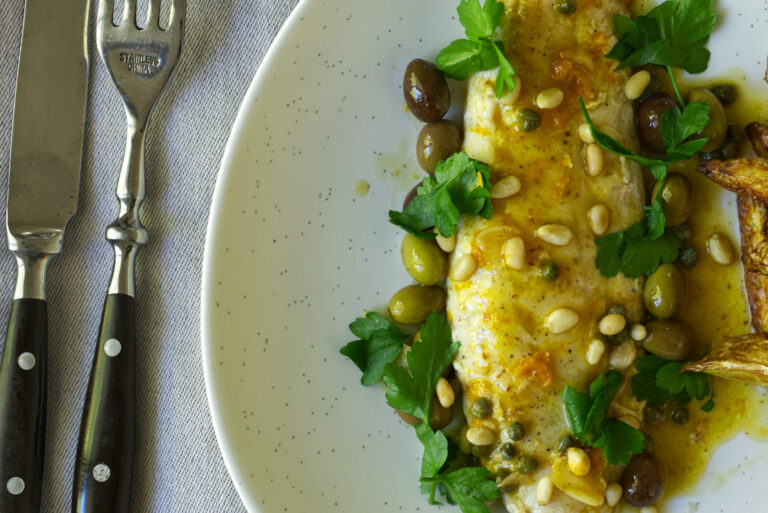
I was thinking about this last month whilst chatting with the lovely people at Fair Seafood SA. A customer had just left, frustrated, declaring their fish had been ‘too bland’ and they’d stick to what they knew. The moment caught my attention because it revealed something important – not a failure of the fish, but a gap in the conversation. Imagine if that customer had leaned in with: ‘I’m planning a Mediterranean dish, I’ll potentially pan-sear or oven-bake, what would you suggest?’ That simple shift – from buying fish to having a conversation about cooking it – changes everything. The fishmonger has context. The customer gets guidance. The fish has a fighting chance.
This is the leaning back problem. Without that conversation, you’re buying an ingredient blind. You wouldn’t cook King George whiting the same as a centre-cut fillet of barramundi, but if you’re not asking these questions, how would you know that?
Three Types of Practice
In cooking, as in dentistry, there are three distinct types of practice. You can watch others and receive their technique passively – collecting recipes, watching videos, admiring results. You can study the details intellectually – understanding temperatures, chemical reactions, why certain techniques work. Or you can engage in deliberate repetition, where the technique becomes personified in your own practice. That third type is where learning actually happens, where you move from following instructions to understanding food.
I see this distinction play out constantly. Someone will ask me about cooking fish, and I can already tell from the question whether they’re leaning in or not. ‘What temperature?’ suggests they’re after a number to follow. ‘Why does this species need different treatment?’ suggests they’re building understanding. The first question gets an answer. The second gets a conversation about protein structure, moisture content, fat distribution, and how these variables interact with heat and cooking method.
Engaging with Reality
The beauty – and difficulty – of cooking is that it demands you engage with reality as it presents itself, not as you wish it to be. That fillet in your hand right now is different to the last one you cooked. Different fish, different day it was caught, different temperature it’s been stored at, different ambient conditions in your kitchen. If you’re rigidly following a recipe without understanding what you’re looking for, you’ll miss all the information the fish is giving you about when it’s actually done.
This is where the Japanese concept of kaizen – continuous improvement through small, deliberate adjustments – becomes relevant. You don’t try to fix everything at once. You adjust one component: temperature, timing, technique. You make it three times. You notice what changes. Does it make sense? Yes or no, not a maybe. This is how you build genuine mastery rather than just collecting recipes you’ve tried once.
The Pattern Across Careers
I’ve watched this pattern across both careers now. In dentistry, practitioners who leaned in – who examined their failures as closely as their successes, who adjusted parameters methodically, who stayed curious about why something worked – those people developed real expertise. They could adapt when circumstances changed, innovate when new materials appeared, troubleshoot when standard approaches failed. Those who leaned back, expecting technology or protocols to solve everything, struggled whenever they encountered something outside the script.
The same applies in the kitchen. I’ve made my sourdough recipe hundreds of times now. Each iteration teaches me something about how flour behaves, how temperature affects fermentation, how humidity impacts hydration needs. I’m not following the recipe anymore – I’m in conversation with the dough, adjusting based on what it’s telling me. That only happens through repetition, through paying attention, through being willing to acknowledge when something hasn’t quite worked and understanding why.
Between Two Extremes
This is particularly relevant now, when the food world has split between two extremes. On one side, we have the professionalisation of cooking – chef techniques, precise temperatures, specialised equipment, molecular gastronomy. On the other, we have the oversimplification – dump everything in one pot, push a button, don’t worry about technique. Both approaches encourage leaning back. One makes cooking seem impossibly complex, requiring years of formal training. The other makes it seem trivially easy, requiring no understanding at all.
The reality lives in between. Good cooking requires understanding, but that understanding is accessible to anyone willing to lean in. You don’t need a professional kitchen or formal training. You need curiosity, attention, and willingness to adjust based on what you observe. I’d love a Miele combi oven, but not having one yet hasn’t stopped me producing decent bread or pastries. The equipment helps, certainly – understanding what steam does, how moisture affects crust development, why temperature precision matters. But the understanding comes first. The tools amplify what you already know.
Where Understanding Lives
Traditional knowledge and new techniques can coexist beautifully when you’re leaning in to both. I use my sourdough culture – traditional knowledge personified – and yes, when I finally get that combi oven, the combination will produce results neither approach could achieve alone. But only because I understand what each element contributes and how they interact.
That frustrated customer at Fair Seafood could learn to cook brilliant fish. The fish isn’t the problem. The approach is. Being armed with the right questions – what am I planning to cook? What method will I use? What cut would work best? – these aren’t complicated. They just require engagement. They require leaning in.
I remain convinced that by staying curious and open-minded, by showing a willingness to learn and move beyond your comfort zone, it will help improve the chances of understanding what you’re actually trying to achieve in the kitchen. Whether that’s perfectly cooked fish, consistent sourdough, or simply making dinner on a Tuesday night. The technique refines itself through repetition. The mistakes teach as much as the successes. The workflow becomes personified in your own evolving practice.
This is the art of hiding art, as I’ve always thought of it. The technique should be invisible – what people experience is simply good food, honestly presented. They shouldn’t see the years of adjustment, the methodical changes, the attention to detail. They should just enjoy what’s in front of them.
Lean in. The learning is in the doing. The doing requires showing up with curiosity and attention, not just following instructions. That’s where understanding lives.